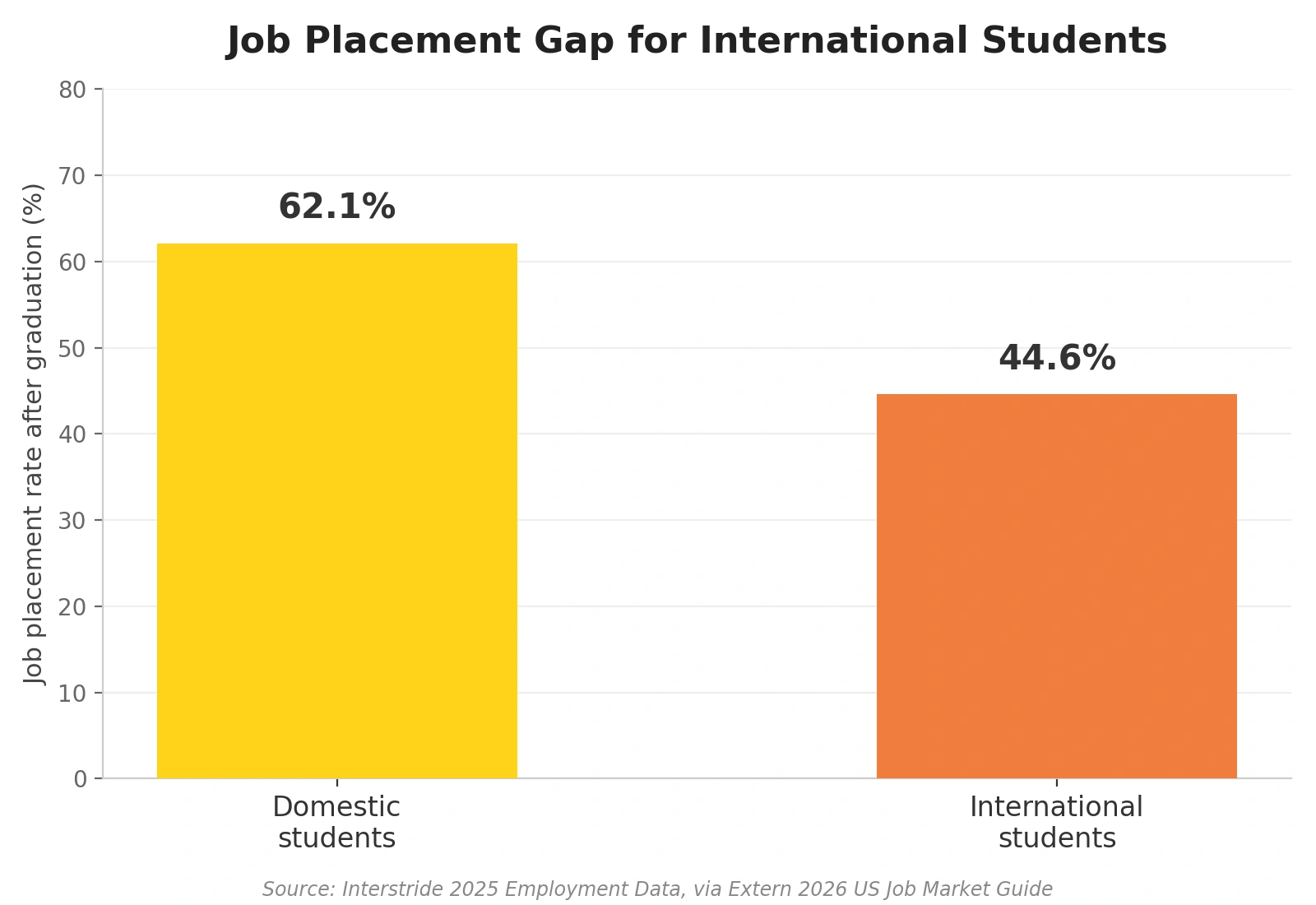
If you're an international student hunting for a job right now, you already know it's tough. AI is changing how companies hire, and it's changing how you should search too. Here's the truth: at a much lower rate than domestic grads. Only 44.6% of international students find work after graduation, compared to 62.1% of their US classmates. That gap isn't about talent. It's about knowing how the system works now, and AI is a huge part of that system.

Metric | Domestic students | International students |
|---|---|---|
Job placement after graduation | 62.1% | 44.6% |
H-1B lottery odds, entry level | N/A | About 15% |
H-1B lottery odds, senior roles | N/A | About 61% |
Why Companies Turned to AI for Hiring
Companies get flooded with applications. AI helps them sort through the pile fast. Most employers now use some kind of automated system before a human even looks at your resume. Research from the found that 71% of hiring managers use applicant tracking systems, and 79% of companies automate at least part of their hiring process. About 19% go a step further and let AI reject applications before anyone reads them.
Big companies still hire international talent. Amazon, Google, and Microsoft remain the largest H-1B sponsors, and healthcare and Big Four firms are quietly ramping up too. But the wage-based H-1B lottery that kicked in this year changed the odds. If you're going for an entry-level role, your selection odds sit around 15%. Senior candidates see closer to 61%. That's a big reason so many students are stacking OPT extensions to buy more time and build seniority before they apply.
How AI Actually Screens Your Resume
Here's what happens behind the scenes. Most AI screening tools scan your resume for keywords that match the job post, then rank you against other candidates. Simple, but it trips people up constantly. About a third of hiring managers admit these systems overemphasize keyword matching instead of actual fit. Formatting matters too. Plain text resumes in PDF or Word format parse cleanly. Fancy templates with graphics and columns often get scrambled or rejected outright.
If a student, for example, submits a beautifully designed resume with icons and a two column layout, the AI might read it as gibberish and skip it entirely. A boring, clean resume that says exactly what the job post is asking for will usually beat it every time.
There's also a trust gap worth knowing about. Only 26% of applicants trust AI to judge them fairly, even though over half assume it's already doing the judging. And bias is real. A University of Washington study found that AI resume screeners favored white-associated names over Black-associated names 85% of the time. If your name doesn't sound Western, this is one more reason to make sure the content of your resume does the talking clearly and directly.
Use AI to Sharpen Your Resume, Not Write It
AI tools are genuinely useful here, as long as you don't let them do all the work. Use them to:
Match your resume language to the exact wording in the job post
Translate your degree and coursework into terms US employers recognize
Turn vague bullet points into results with real numbers
Catch grammar issues without losing your voice
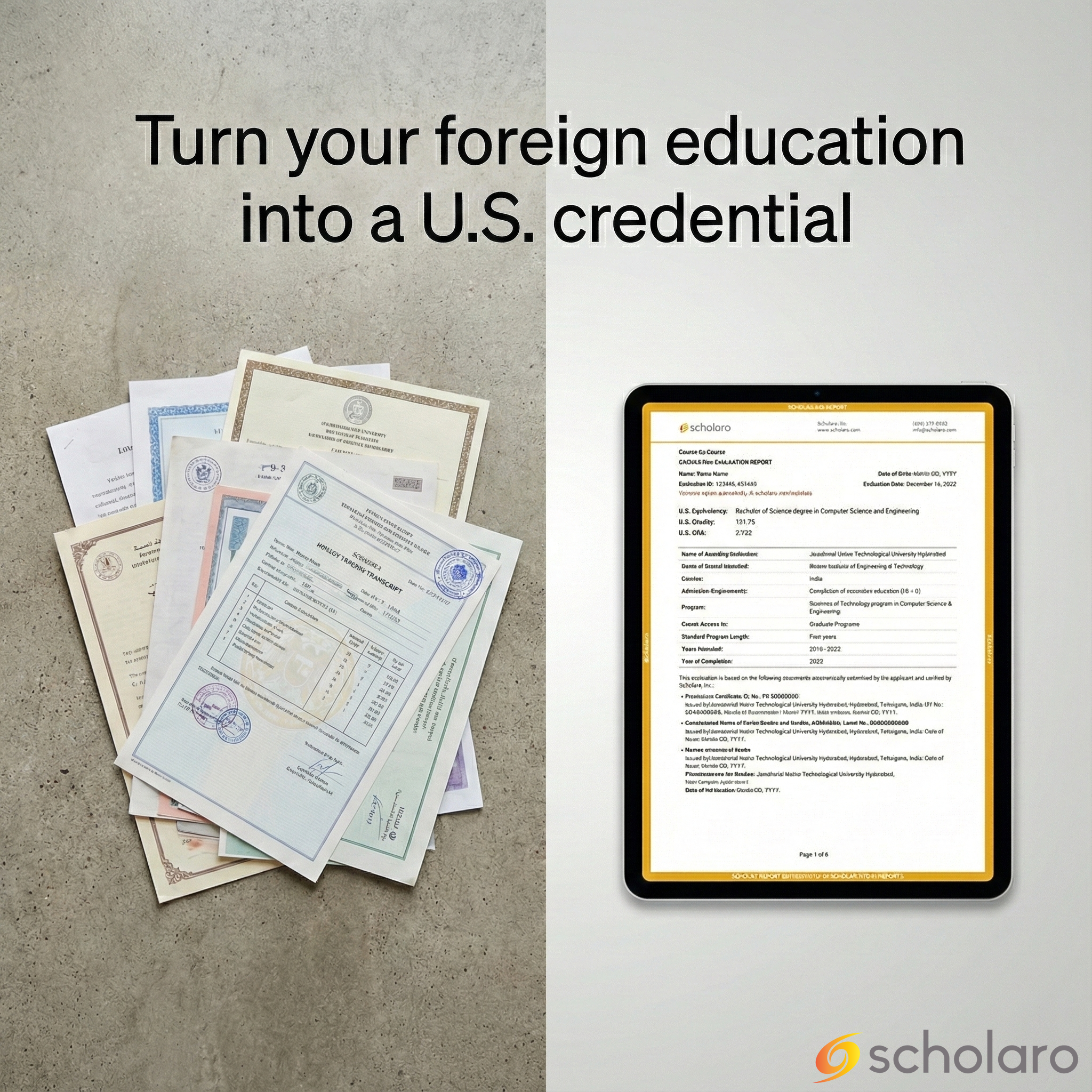
Just don't hand over the whole resume to a chatbot and call it done. Employers can spot generic AI writing fast, and 62% say they reject resumes that feel unpersonalized, even while using AI tools themselves. The winning move is using AI as an editor, not a ghostwriter. If your degree is from outside the US, pairing it with a credential evaluation for jobs also helps hiring managers understand your qualifications right away, instead of guessing.
Practice Interviews With AI Before the Real Thing
More companies are running first-round interviews through AI now. Interview automation more than tripled in two years, from 10% to 34%, and two-thirds of recruiters plan to expand AI pre-screening interviews this year. That means your first "interview" might genuinely be a screen recording you talk to, not a person.
Use AI chat tools to rehearse common questions out loud before you go in. Ask it to play interviewer and push back on weak answers. A student, for example, might practice explaining a gap in their resume ten times with an AI tool until it stops sounding rehearsed and starts sounding natural. That repetition is what makes the real interview feel easy.
Try a Short Video Intro to Stand Apart
A lot of applications get judged purely on text, which can hurt students whose personality and communication style don't come through on paper. A short video introduction fixes that. Keep it under 90 seconds. Lead with what role you want and why you're a fit, skip the life story. AI tools can help you script it and clean up the audio, but keep the delivery natural. Nobody wants to watch a robot read a script.
Build a Brand That Follows You Everywhere
Recruiters check LinkedIn before they check anything else. Make sure your profile, resume, and any portfolio site tell the same story. Skills-based hiring is growing fast too, and it works in your favor. It means what you can actually do matters more than which university stamped your degree, as long as you can show it clearly across every platform recruiters look at.
Pick AI Tools That Actually Help You
Not every AI tool is worth your time. Before you use one, ask yourself:
Is this built for resumes and job search, or is it a generic writing tool?
Does the output sound like me, or does it sound like everyone else?
Does it match the actual interview format my target employer uses?
Am I still doing the thinking, or is the tool doing it for me?
The tools that pass all four are worth keeping. The rest just waste your time and make your applications sound like everyone else's. It also helps to search where visa-friendly employers are actually posting, since a lot of postings never show up on general job boards at all. Sites built for international candidates, like Scholaro jobs, filter for that from the start, which saves you from wasting time on companies that never sponsor.
Keep It Human
AI is now part of hiring on both sides of the table. Use it to sharpen what you already have, not replace it. The students who land offers are the ones who understand the system and still show up as themselves.
 How a U.S. Credit Score Impacts Job Placement for International Students
 Turning a U.S. Internship Into a Full-Time Post-Grad Career
 How Universities Are Creating "Un-Cheatable" Classrooms
 5 Key Job Search Secrets for International Students
 Voices Across Campus: How Students Worldwide View College Leadership