News & Insights
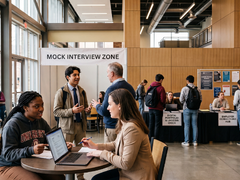
Career prep sticks when it's built into the structure, not bolted on. This piece covers 5 ways to make it unavoidable: skill-mapped syllabi, mandatory work experience, year-one tracking, classroom-based advising, and translating coursework into resume-ready language.
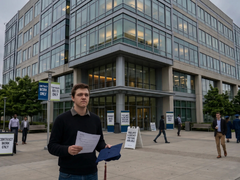
Entry-level jobs are hard to find in 2026, and 42% of recent grads work below their degree. See how low turnover, AI, and remote work squeeze new graduates, where health care is still hiring, and why early internships help you start strong.

3-year teaching degrees cut tuition and bring new teachers into classrooms a year sooner, but they address recruitment more than retention. Lasting gains depend on mentoring, paid clinical work, and support from universities and districts.
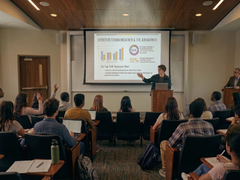
College public speaking still matters. Employers rank communication among their top skills, but only 34% say new grads are very well prepared. See why one speech class falls short, how speaking affects pay, and when a communication degree makes sense.
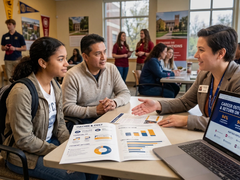
Families cross colleges off over sticker price, yet many pay far less. Learn how to align admissions, aid, and finance, publish net cost early, fix award letters, plan for new Parent PLUS caps, curb summer melt, and report earnings by major.
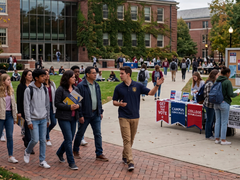
One in three college-bound students now cut schools over state politics, mostly before applying. Here’s what new studentPOLL data and a 2025 working paper show, plus 5 steps to weigh political fit without shrinking your college list too early.
Scholaro News
i